

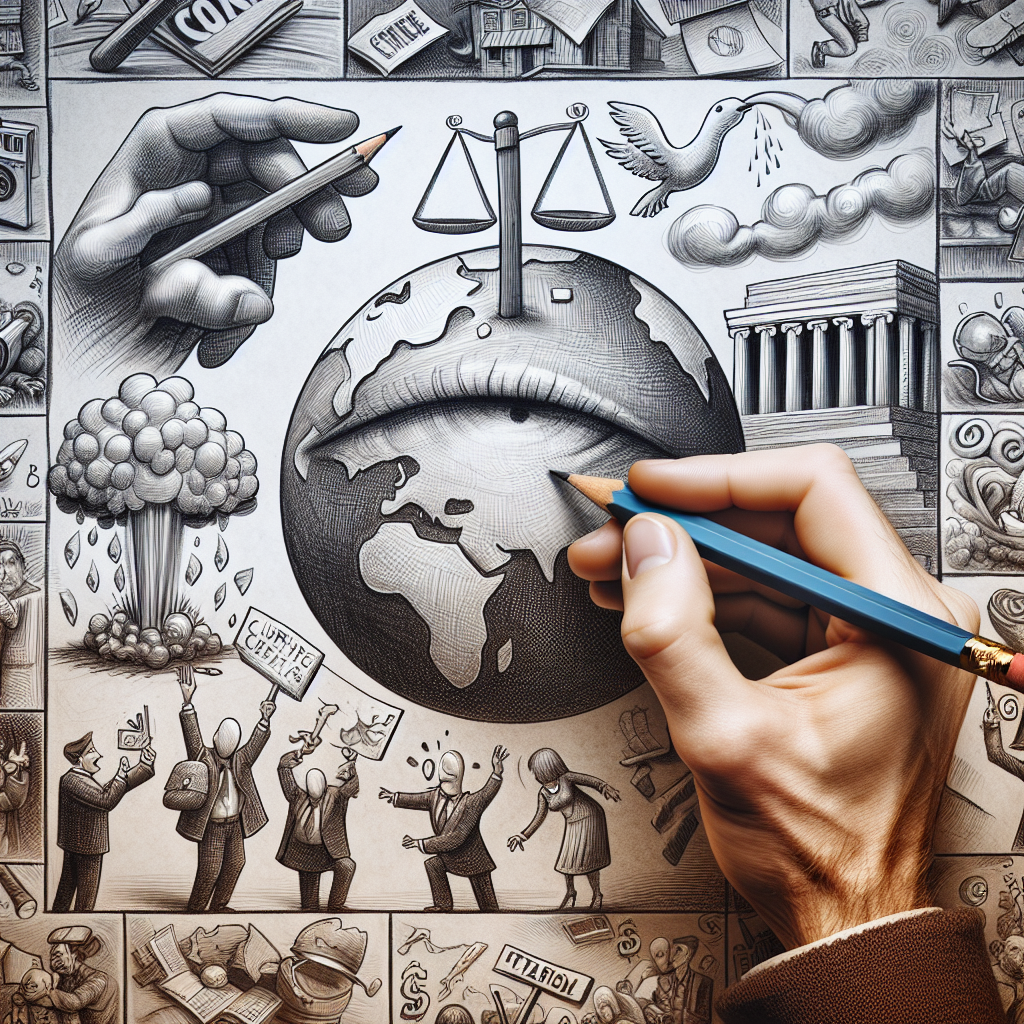
In a world inundated with rapid news cycles and incessant social media updates, the art of caricature has carved out a unique space as both an artistic expression and a poignant commentary on current events. Caricature, characterized by exaggerated features and satirical twists, serves as a powerful tool for reflection and critique. Through humor and exaggeration, artists can distill complex issues into digestible images that resonate deeply with audiences, shedding light on the underlying truths of our times.
The Art of Exaggeration
At its core, caricature thrives on exaggeration. This technique isn’t merely for comic effect; it compels viewers to confront the absurdities and inconsistencies often present in contemporary life. For instance, politicians are frequently depicted with exaggerated features that symbolize their personalities or actions—a big nose might signify deceit, while bulging eyes could indicate fear or surprise. Such visual metaphors distill multifaceted issues into striking images that encapsulate the essence of a person or event.
Historical Context
Historically, caricature has played a significant role in political discourse. The works of artists like James Gillray in the late 18th century and George Cruikshank during the 19th century exemplified the medium’s ability to critique authority and influence public opinion. In times of turmoil, such as the French Revolution, caricature stepped in to reflect public sentiment, articulate grievances, and rally the populace. Today, it continues to serve as a vehicle for social commentary, providing a mirror that reflects society’s struggles, controversies, and triumphs.
Caricature in Contemporary Media
In today’s digital age, caricature has increasingly found its place online. Social media platforms serve as modern galleries for artists, where a single drawing can go viral, reaching individuals across the globe in mere minutes. The immediacy of digital caricature allows it to comment on current events as they unfold, making it an agile and effective form of communication.
Consider the impact of caricature during high-stakes global events, such as elections, crises, or social movements. When events like the COVID-19 pandemic or climate change protests dominate headlines, caricaturists capture the zeitgeist, highlighting not just the events themselves, but also public reactions and government responses. This ability to synthesize information and convey it through visual humor makes caricature a tool for both education and engagement.
Engaging the Audience
The humor woven into caricature fosters engagement in ways traditional journalism may not. It invites viewers to laugh, prompting them to think critically about serious subjects. For example, a caricature depicting a world leader flanked by exaggerated symbols of their policies can break down complex narratives into relatable and shareable content. This process transforms apathy into action, encouraging audiences to discuss, debate, and reflect.
Additionally, caricatures often serve as a catalyst for community discourse. They capitalise on shared cultural references, making them accessible to a broad audience. Such images can inspire discussions that transcend linguistic and regional barriers, fostering a sense of unity even in contentious times.
Challenges and Critiques
Despite its power, caricature is not immune to criticism. While it aims to expose truths, it also risks perpetuating stereotypes or oversimplifying nuanced issues. The line between wit and offense can be thin, and caricaturists must navigate this delicate balance. Ethical considerations arise, particularly when addressing marginalized groups or sensitive topics. As society becomes increasingly aware of representation and inclusivity, caricaturists must adapt their approach to ensure their work fosters dialogue rather than division.
The Future of Caricature
As the landscape of media continues to evolve, the future of caricature shines bright. The rise of augmented reality, artificial intelligence, and interactive platforms offers new avenues for artists to explore. Virtual exhibitions and real-time drawing sessions can bring caricature into dynamic, participatory experiences, allowing audiences to engage with current events in innovative ways.
Furthermore, the growing demand for visual content in journalism will likely sustain the relevance of caricature. As news outlets seek to capture attention in crowded markets, the blend of artistry and commentary that caricature provides will continue to hold significant value.
Conclusion
Caricature is more than just playful art; it is a vital form of social commentary that reflects the essence of our times. By distilling complex issues into accessible visuals, caricaturists capture the pulse of current events in a compelling way that engages, informs, and inspires. In a world where truth is often obscured, caricature remains a powerful tool for sketching the truth, reminding us of the absurdities and realities that shape our collective experience. As we look to the future, the relationship between caricature and current events will undoubtedly evolve, but its impact will continue to resonate, bridging gaps and fostering dialogue in an ever-changing world.

