

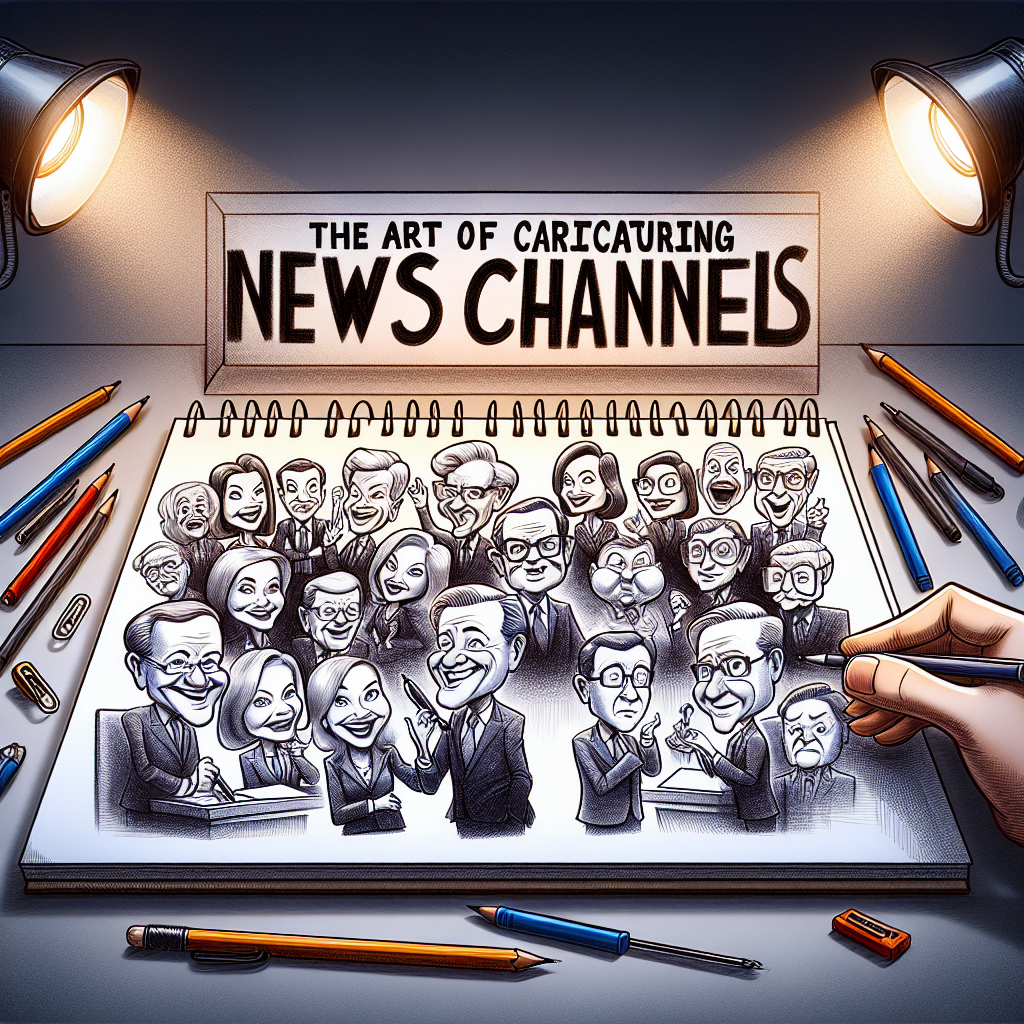
Caricature is a powerful form of artistic expression, illustrating not only the physical features of its subjects but also the underlying truths about their personalities, ideologies, and impact on society. When it comes to caricaturing a prominent media entity like Fox News, the line between humor and critique blurs, making it an effective medium for commentary on social and political issues.
Understanding Caricature
At its core, caricature exaggerates certain characteristics to provoke thought, humor, or critique. Artists often use distinct features — whether facial expressions, style of clothing, or mannerisms — to create a recognizable representation. In the context of media, caricature can serve as a mirror, reflecting exaggerated traits that define ideologies and narratives.
The Fox News Phenomenon
Fox News, launched in 1996, has played a significant role in shaping American political discourse. Its particular blend of news and opinion has garnered a strong audience, often appealing to conservative views while being criticized for sensationalism and bias. This polarizing nature makes it a ripe subject for caricature.
The Art of Satire in Caricaturing Fox News
Satire is where caricature truly shines, allowing artists to blend humor with critique. Through exaggerated traits of well-known Fox personalities — such as Tucker Carlson’s sly smirk or Sean Hannity’s intensive gaze — caricaturists can convey deeper narratives. Each stroke of the brush or digital pen not only highlights physical features but also critiques their roles in propagating political agendas.
Techniques Employed
-
Exaggeration: Artists amplify distinctive features — think large heads to symbolize inflated egos, or over-exaggerated expressions to indicate certain behaviors.
-
Symbolism: Incorporating symbols associated with Fox News, like the American flag or elements of the media landscape, can add layers of meaning. This not only points to their patriotism narrative but also critiques how such symbols are wielded in media.
- Contextual Backgrounds: Including references to controversial news events, political figures, or specific headlines can provide context, inviting viewers to engage in the discussion rather than merely observing.
The Reception of Caricature
Public perception of caricature, especially of media figures, can vary dramatically. Supporters may find it a humorous and accessible critique of Fox News’ practices, while detractors may see it as disrespectful or overly simplistic. The most famous caricaturists, like Gerald Scarfe and Steve Bell, have shown that the reception of caricature often sparks dialogue around the subjects being portrayed.
The Fine Line: Ethics in Caricaturing
While caricaturing can be a means of free expression, it also requires ethical considerations. Artists must navigate the fine line between critique and defamation. Ensuring that the caricature remains in the realm of humor and social commentary rather than veering into personal attacks is essential.
Artists often face the challenge of holding powerful figures accountable while avoiding overly derogatory or inflammatory depictions that could detract from their message. The aim should always connect the image back to the larger narrative and societal implications.
Conclusion
Caricaturing Fox News represents much more than a humorous take on a media outlet — it’s a complex interplay of art, social commentary, and cultural critique. Embracing exaggeration, symbolism, and context, caricaturists wield their tools to encourage dialogue about the influence of media in shaping public opinion.
In the rapidly evolving landscape of media consumption and political discourse, such artistic endeavors not only reflect societal sentiments but also challenge audiences to think critically about the narratives being presented. Ultimately, caricature serves as a invaluable tool in drawing the line between entertainment and an informed citizenry, skillfully dissecting the nuances of both personal and political identities.

